16 hr
Muynak Ship Graveyard & Nukus Museum from Khiva
- Expert local guide
- Small group
- Skip-the-line access
- Free cancellation
Khiva to Aral Sea Day Trip — Desert Crossing & Ship Graveyard Expedition
Six hours across the Kyzylkum, witness to a vanished sea
Compare fares, pick the fit — all bookings are mobile-voucher and eligible for free cancellation where shown.
16 hr
15 hr
14 hr
| Experience | Duration | Transfers | Skip-the-line | Guide | Small group | Free cancel. | Price | |
|---|---|---|---|---|---|---|---|---|
|
Guided Experience
Most popular
Muynak Ship Graveyard & Nukus Museum from Khiva
|
16 hr | ✓ | ✓ | ✓ | ✓ | ✓ | €172 | Book → |
|
Guided Experience
Aral Sea & Ship Graveyard: Nukus Art & Muynak Day Trip
|
15 hr | ✓ | ✓ | ✓ | ✓ | ✓ | €229 | Book → |
|
Guided Experience
Moynaq Ship Graveyard & Aral Sea Disaster Tour
|
14 hr | ✓ | ✓ | ✓ | ✓ | ✓ | €153 | Book → |
Worth it for the historically curious and resilient
A Khiva to Aral Sea day trip demands 12–14 hours round-trip, with 8–9 hours on rough desert roads for roughly 90 minutes at the Muynak Ship Graveyard. The conservation fee is minimal (30,000 UZS), and the ship graveyard itself is free, but the real cost is fatigue—this is one of Central Asia's most grueling single-day drives. Day-trip tours typically pair Muynak with Nukus's Savitsky Museum, splitting focus between ecological disaster and Soviet avant-garde art. The journey rewards travelers who value witnessing environmental catastrophe firsthand and can tolerate long stretches of empty steppe. For those with an extra day, 2-day desert expeditions with yurt stays allow you to camp near the former seabed, visit remote canyons, and experience the Aral region without the punishing same-day return. If your Khiva itinerary is tight or you prefer comfort over extreme adventure, skip the Aral Sea tours and explore Khiva's UNESCO medina instead.
Bottom line: The khiva to aral sea day trip is worth it if you're prepared for the journey to matter more than the destination.
They complement each other; most visitors who do both call the two-day expedition the more immersive choice for reaching the actual shoreline, while the khiva to aral sea day trip tour serves those with limited time.
|
Top pick One-Day Trip |
Two-Day Expedition | |
|---|---|---|
| Focus | Muynak Ship Graveyard and museums | Shoreline camp and Ustyurt canyons |
| Total driving | 800–900 km (12–14 hours) | 1050 km (16–18 hours) |
| Primary transport | Sedan car | 4WD off-road vehicle |
| Accommodation | None (return to Khiva) | Yurt camp at sea shore |
| Key inclusion | Chilpik Kala & Nukus museum | Full Ustyurt Plateau & desert trek |
| Travel style | Fast-paced | Leisurely and nature-focused |
| See tickets & prices |
Verdict: Choose the one-day khiva to aral sea day trip tickets for an efficient look at Muynak, or commit to the two-day journey if you seek to sleep by the water and explore the canyons.
Hand-picked experiences loved by thousands of travelers
2 days
Free Cancellation
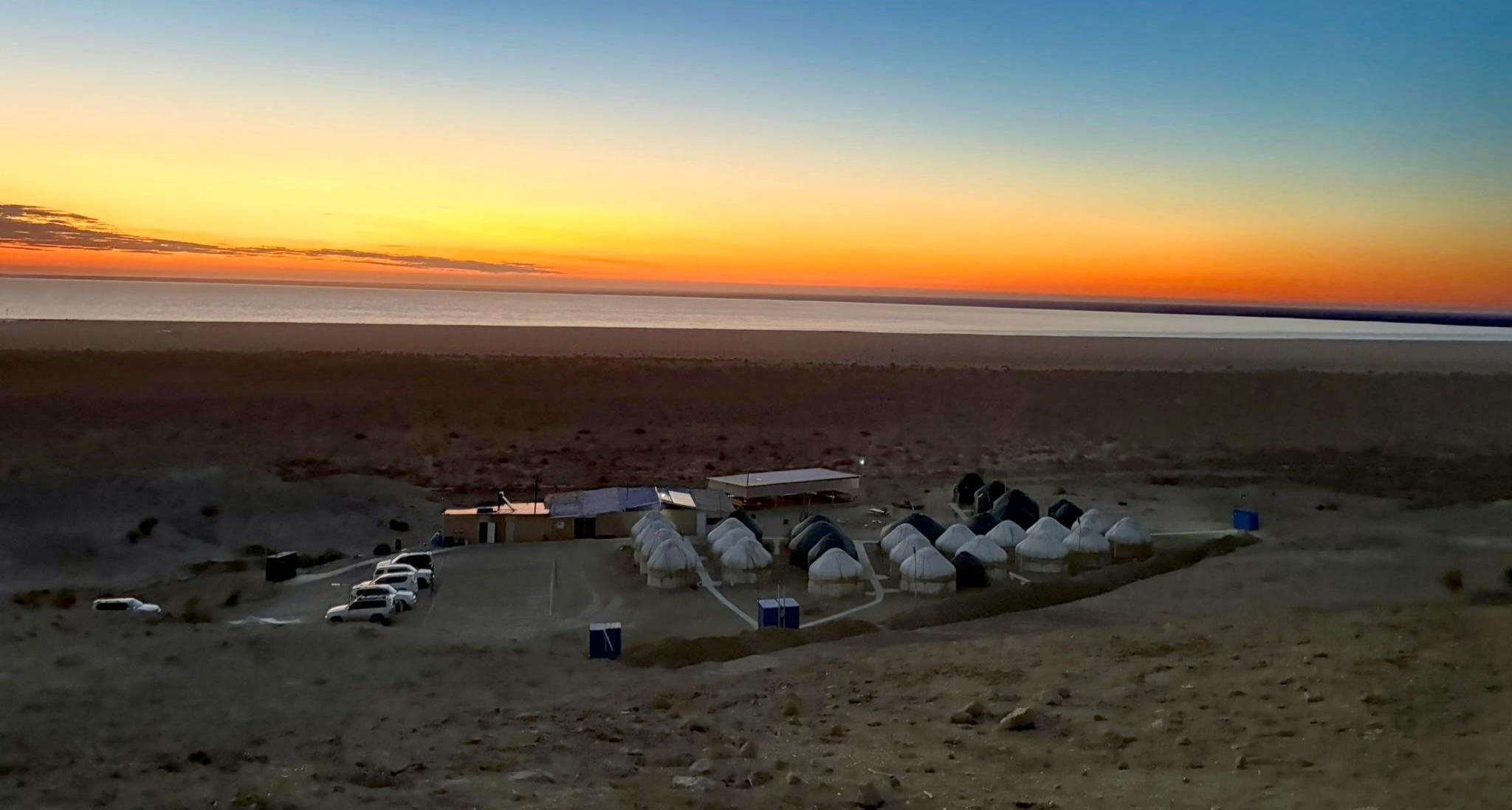
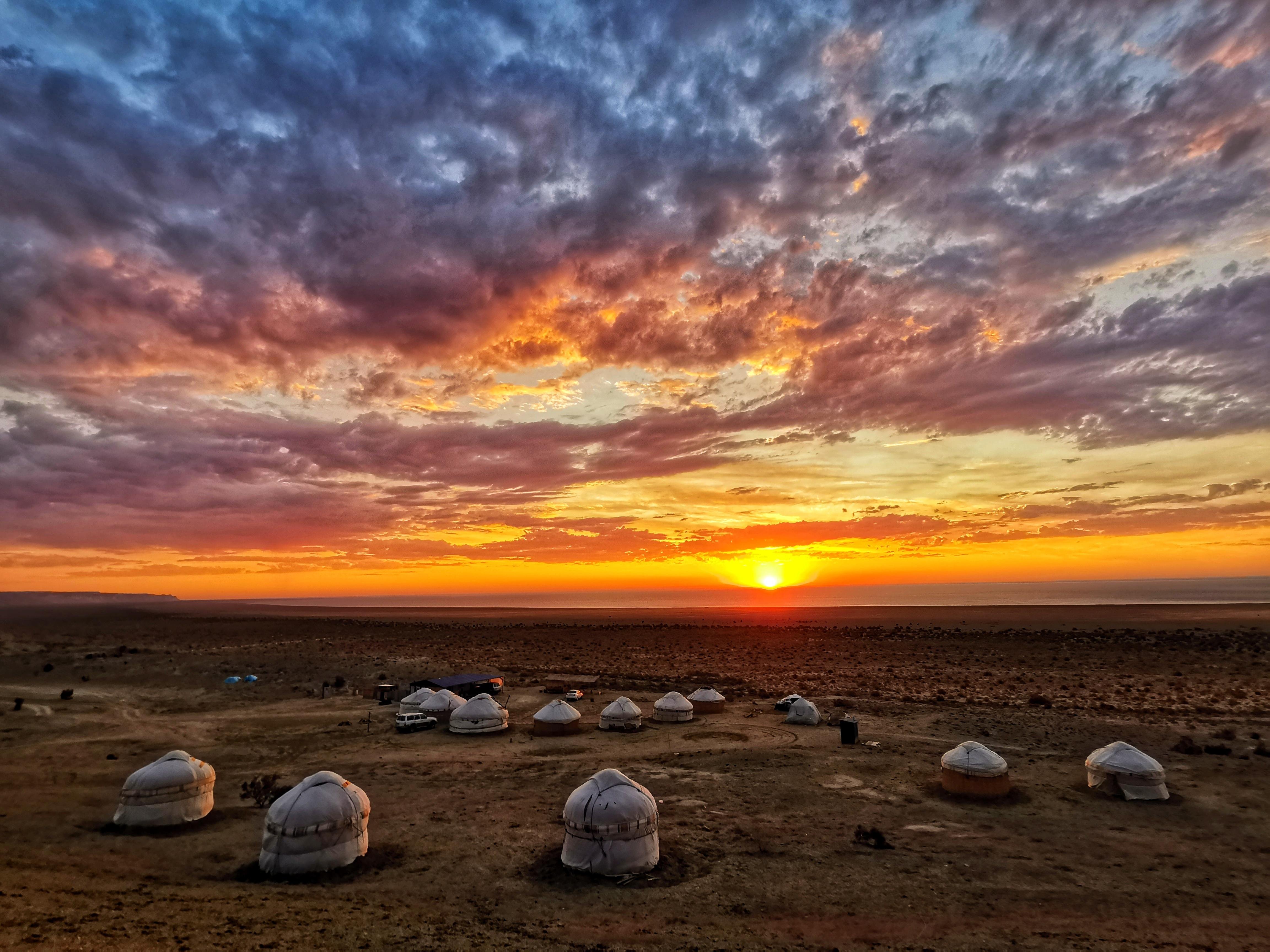
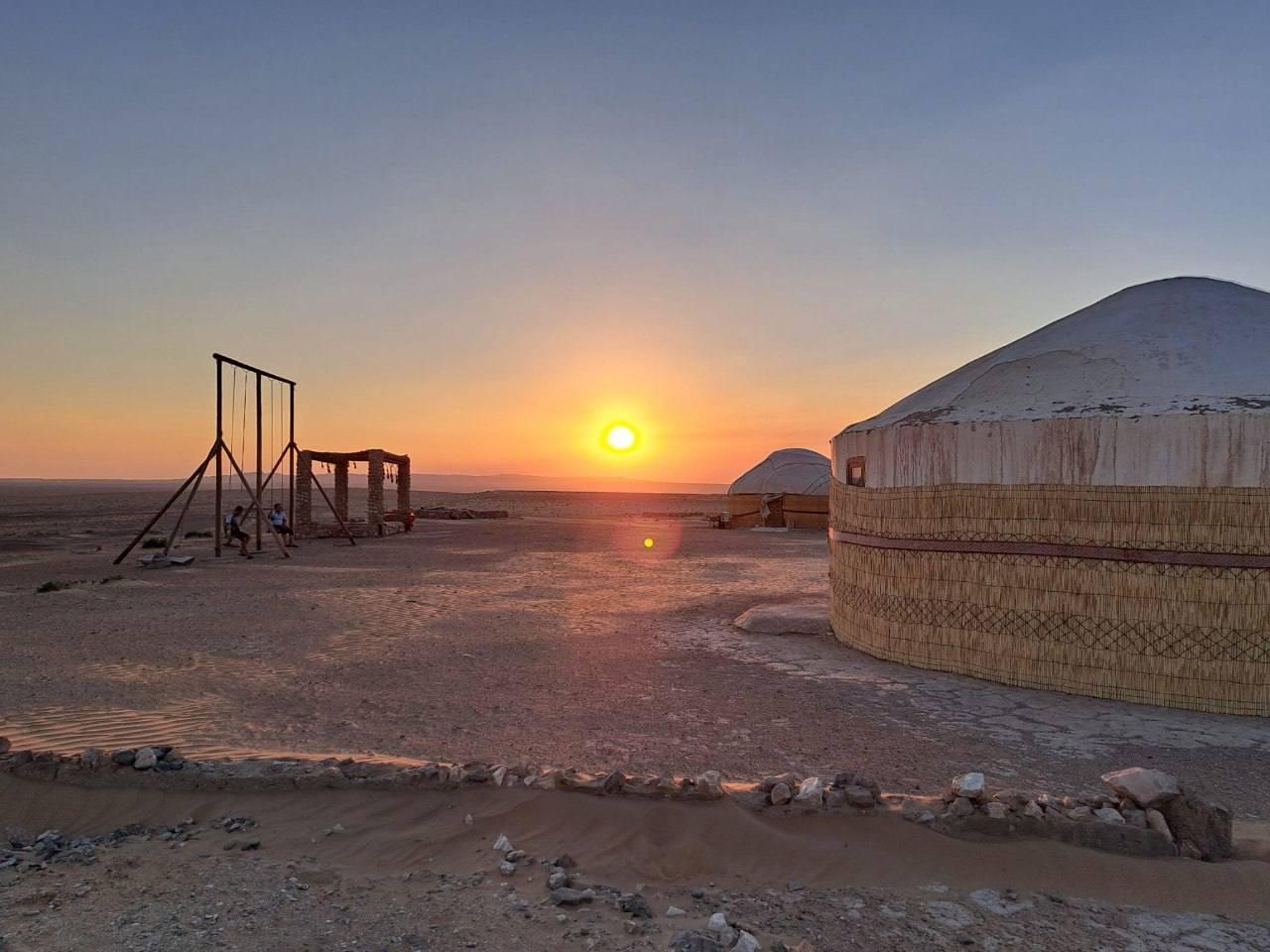
Journey across the desert to the vanished Aral Sea, sleep under stars in a traditional yurt, and explore ancient Silk Road ruins.
2 days
Free Cancellation
Two-day desert adventure exploring vanished waters, Soviet relics, and ancient Karakalpak heritage
6 hours
Free Cancellation
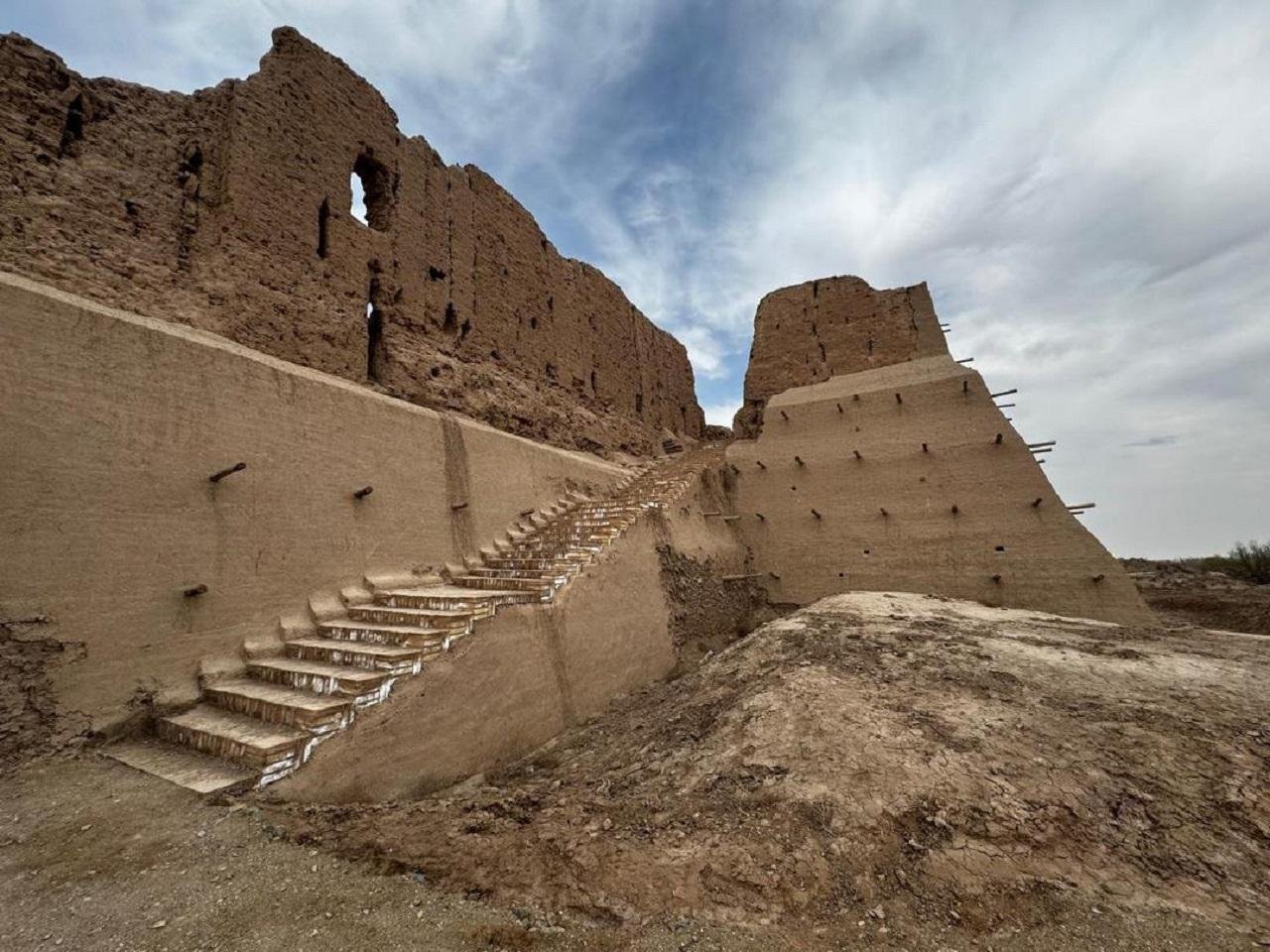
Journey through three ancient fortresses across the Kyzylkum Desert, ending with sunset views and dinner.
6 hours
Free Cancellation
Journey across the Kyzylkum Desert to explore three ancient Silk Road fortresses dating back over 2,000 years
12.5 hours
Free Cancellation
Full-day journey connecting two Silk Road cities through five historic desert forts and a stunning turquoise lake
9 hours
Free Cancellation
Transform your desert crossing into a Silk Road expedition through ancient Khorezm strongholds and a hidden lake
2 days
Free Cancellation
Journey across the Kyzylkum Desert, sleep in a traditional yurt, and explore ten spectacular ruins from the Khorezm Empire
6 - 10 hours
Free Cancellation
Transform your journey into an adventure through Silk Road ruins and desert landscapes
Start the khiva to aral sea day trip from Khiva
Arrive at Muynak for morning lighting
Walk through the Muynak Ship Graveyard
See exhibits at the regional museum
Depart back to Khiva
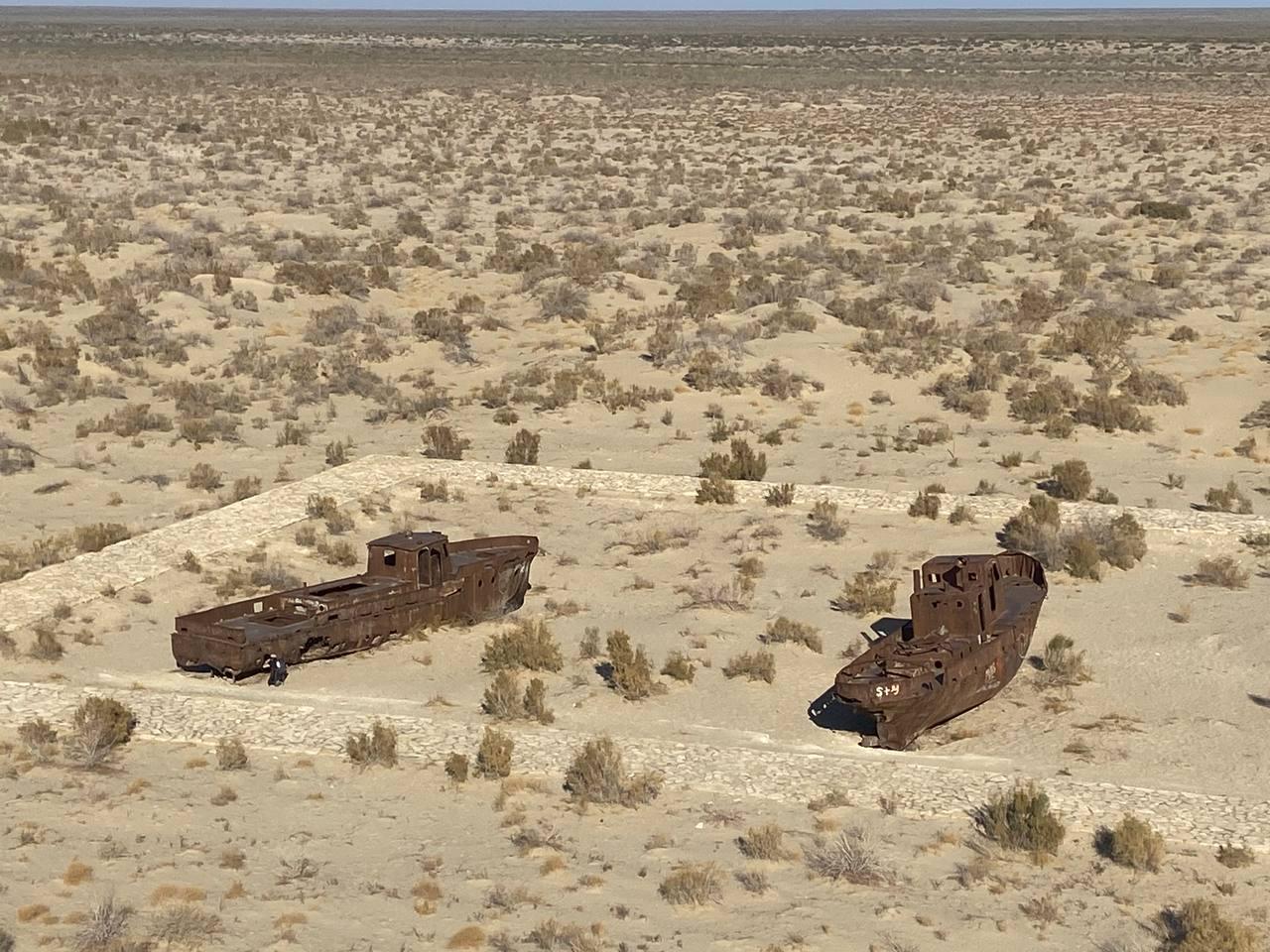
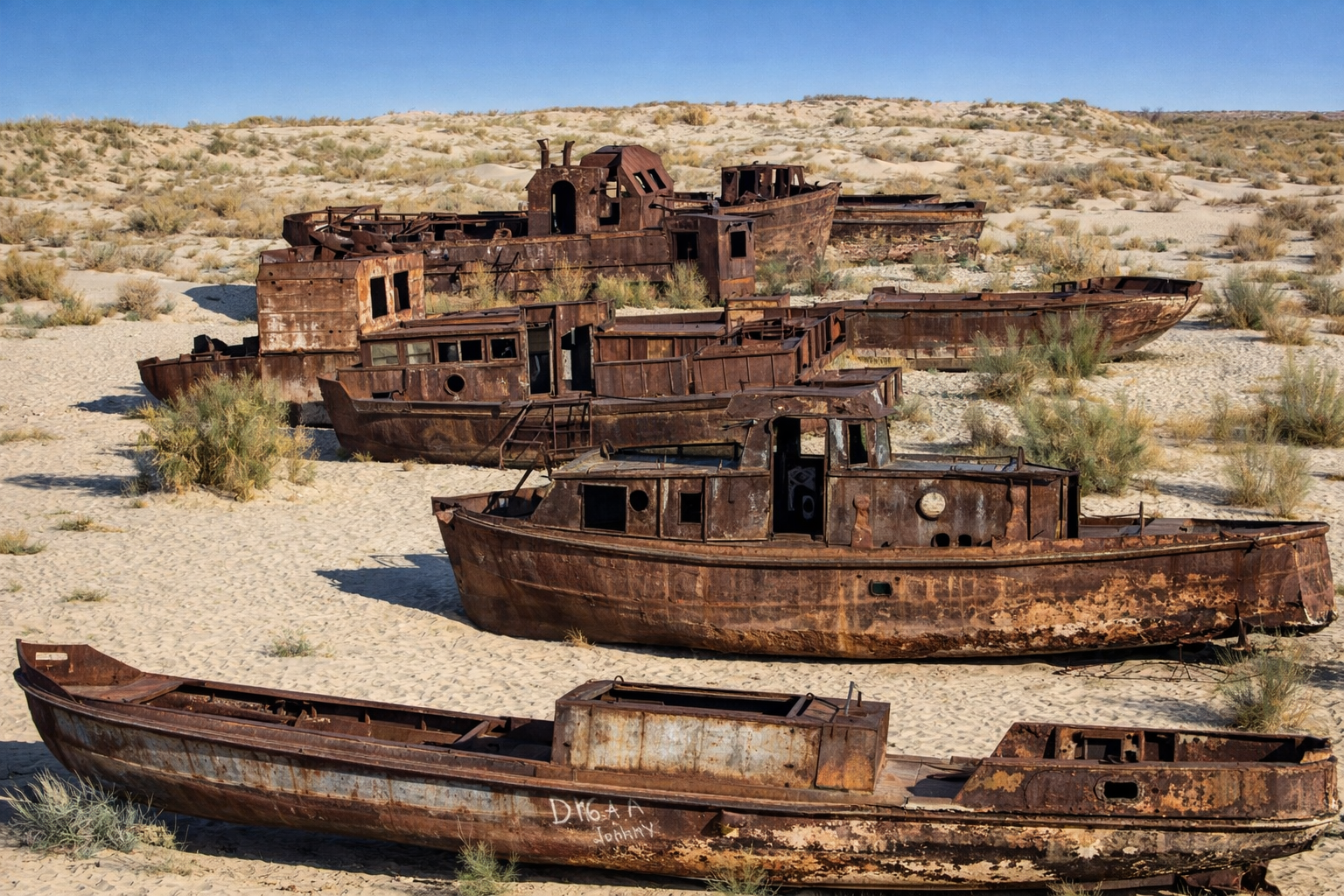
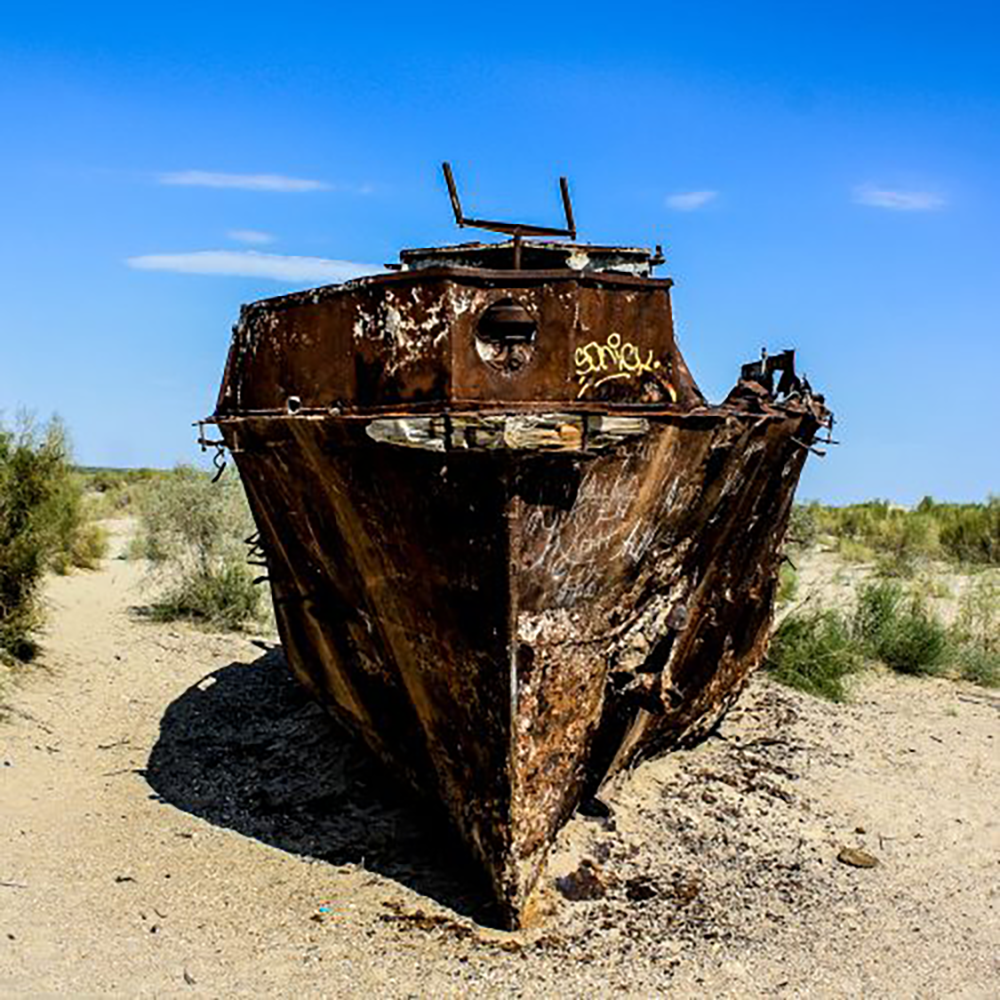
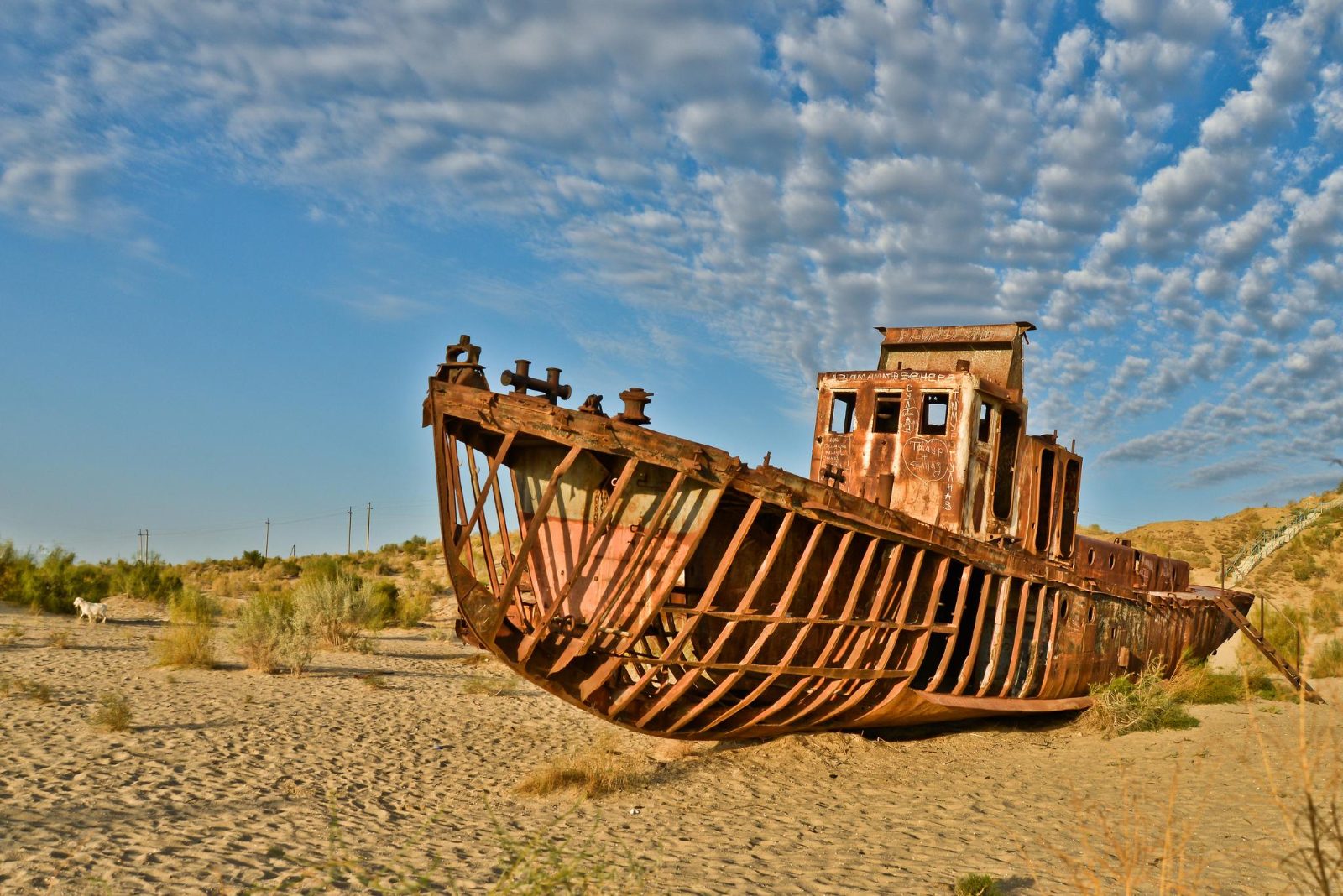
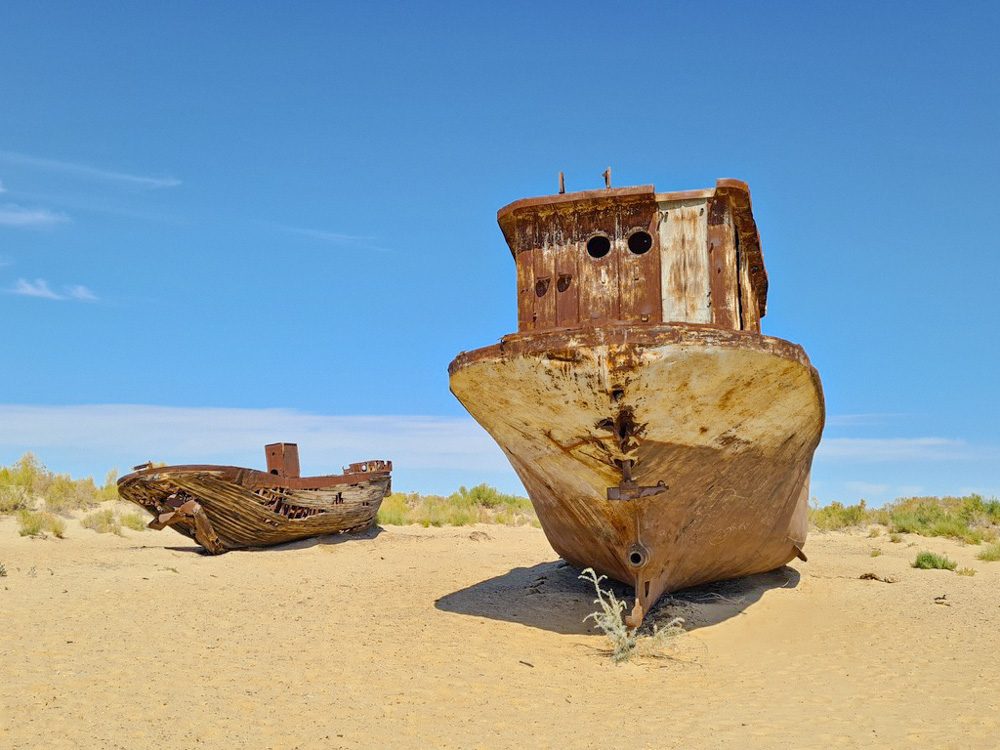
Dozens of rusted vessels sit on the former seabed of the Aral Sea.
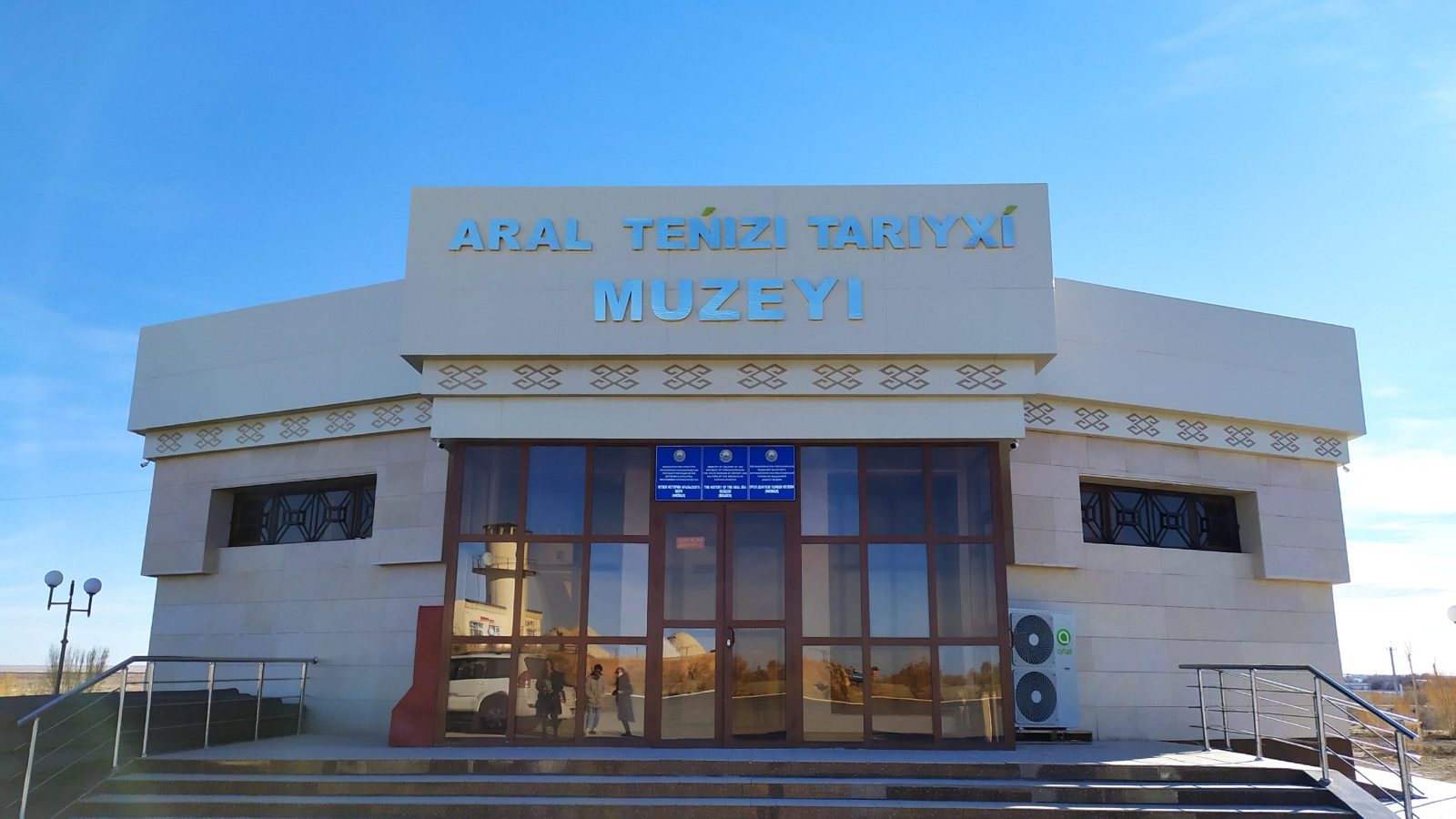
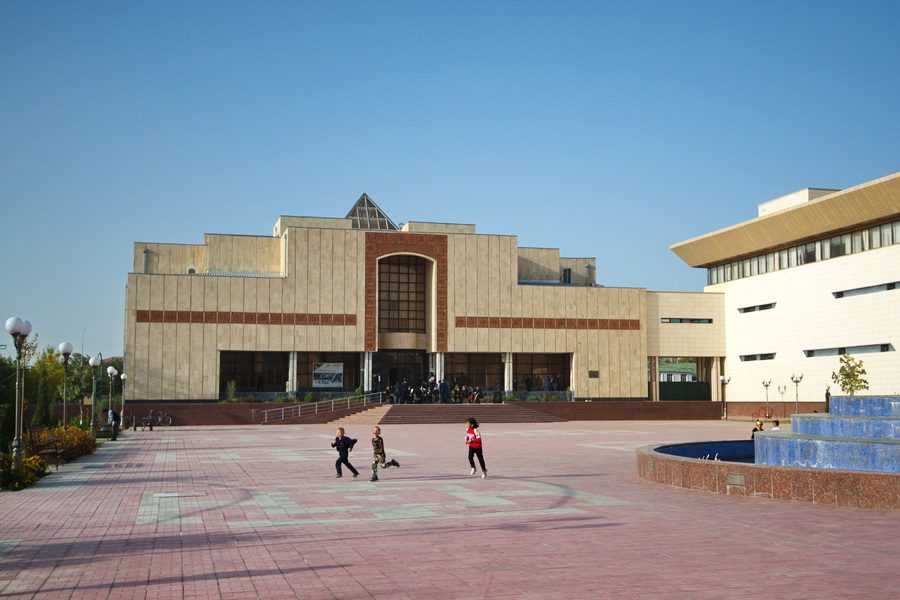
Exhibits detail the ecological changes of the region.
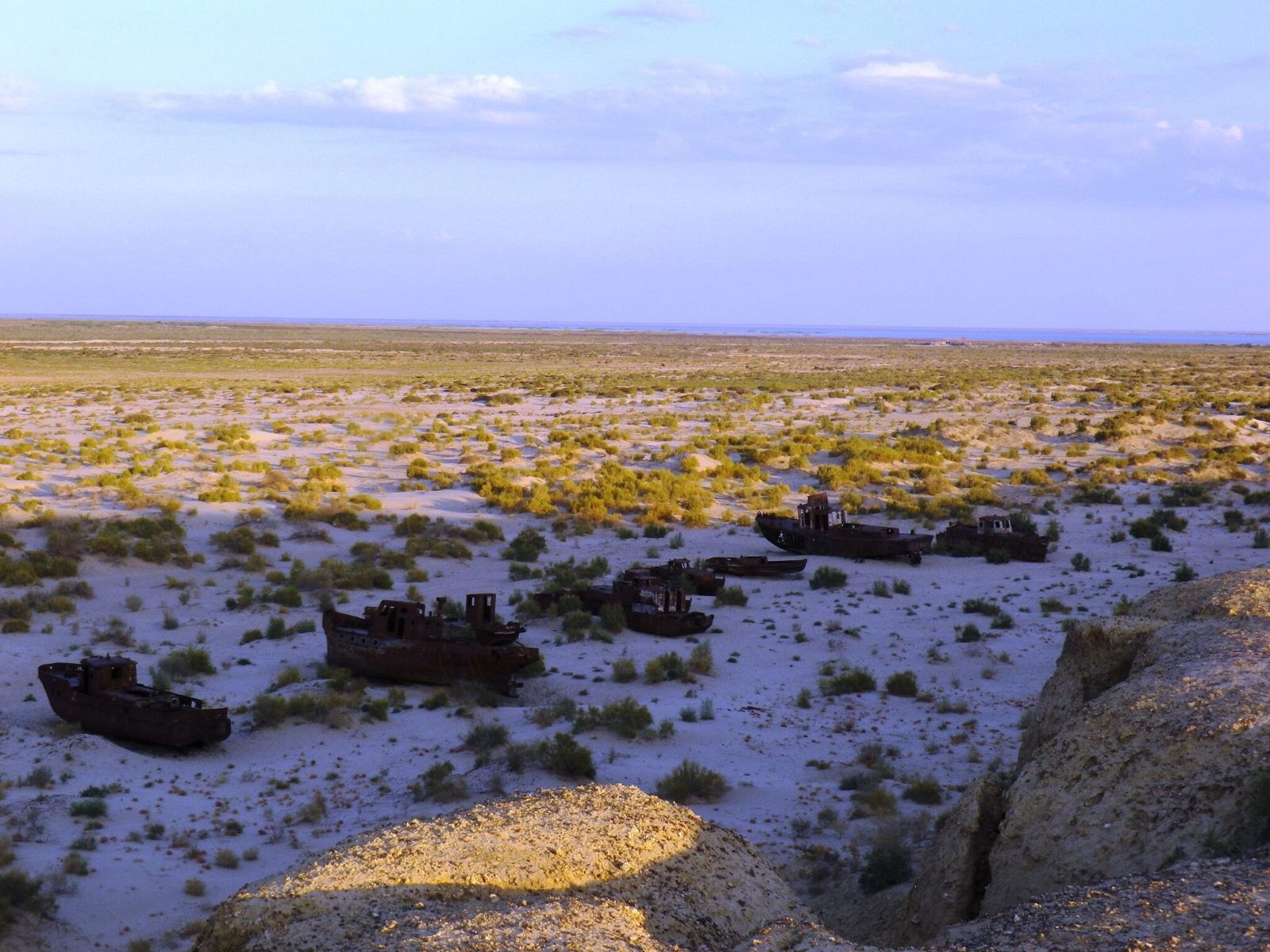
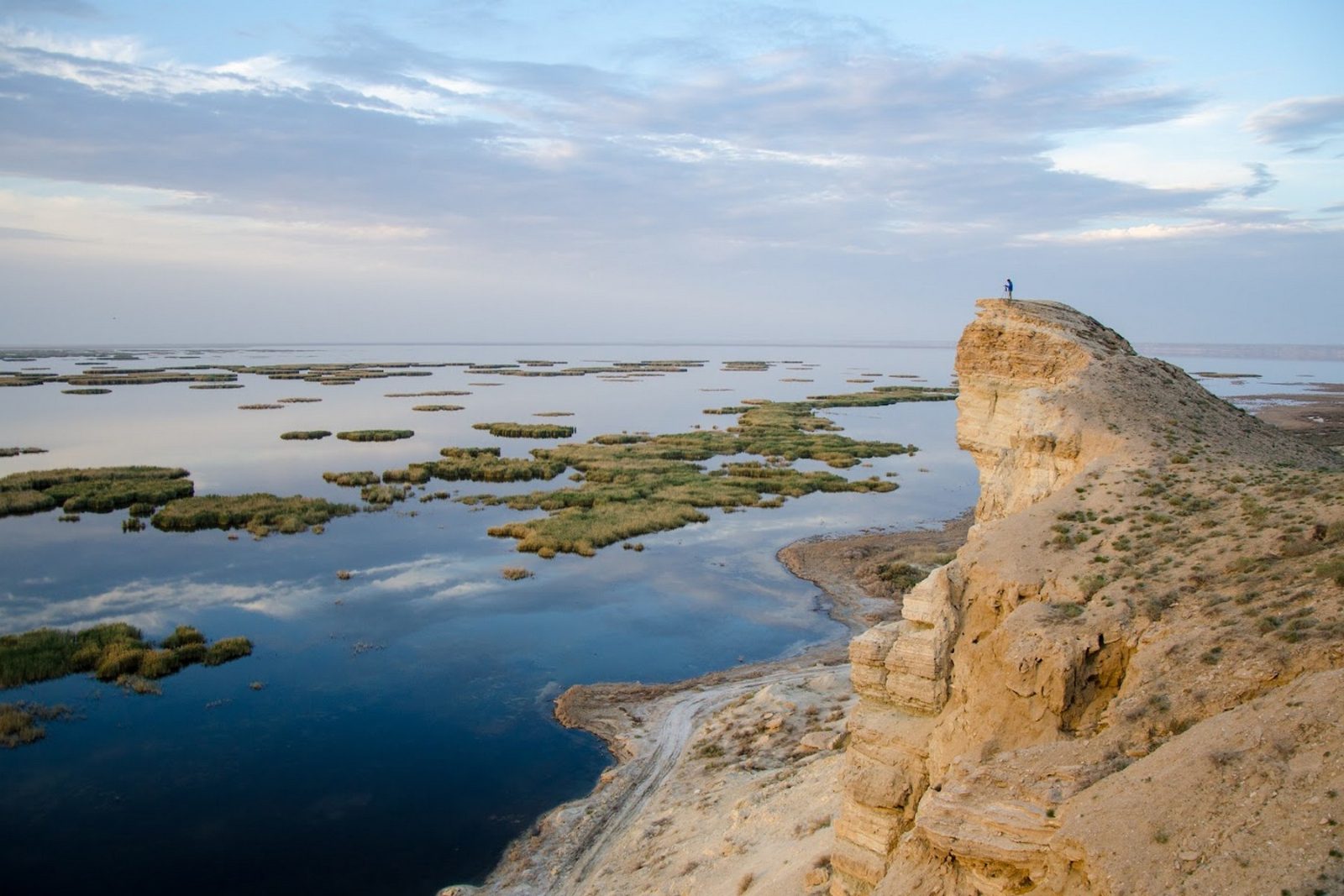
Panoramic view of the dried basin formerly holding the Aral Sea.
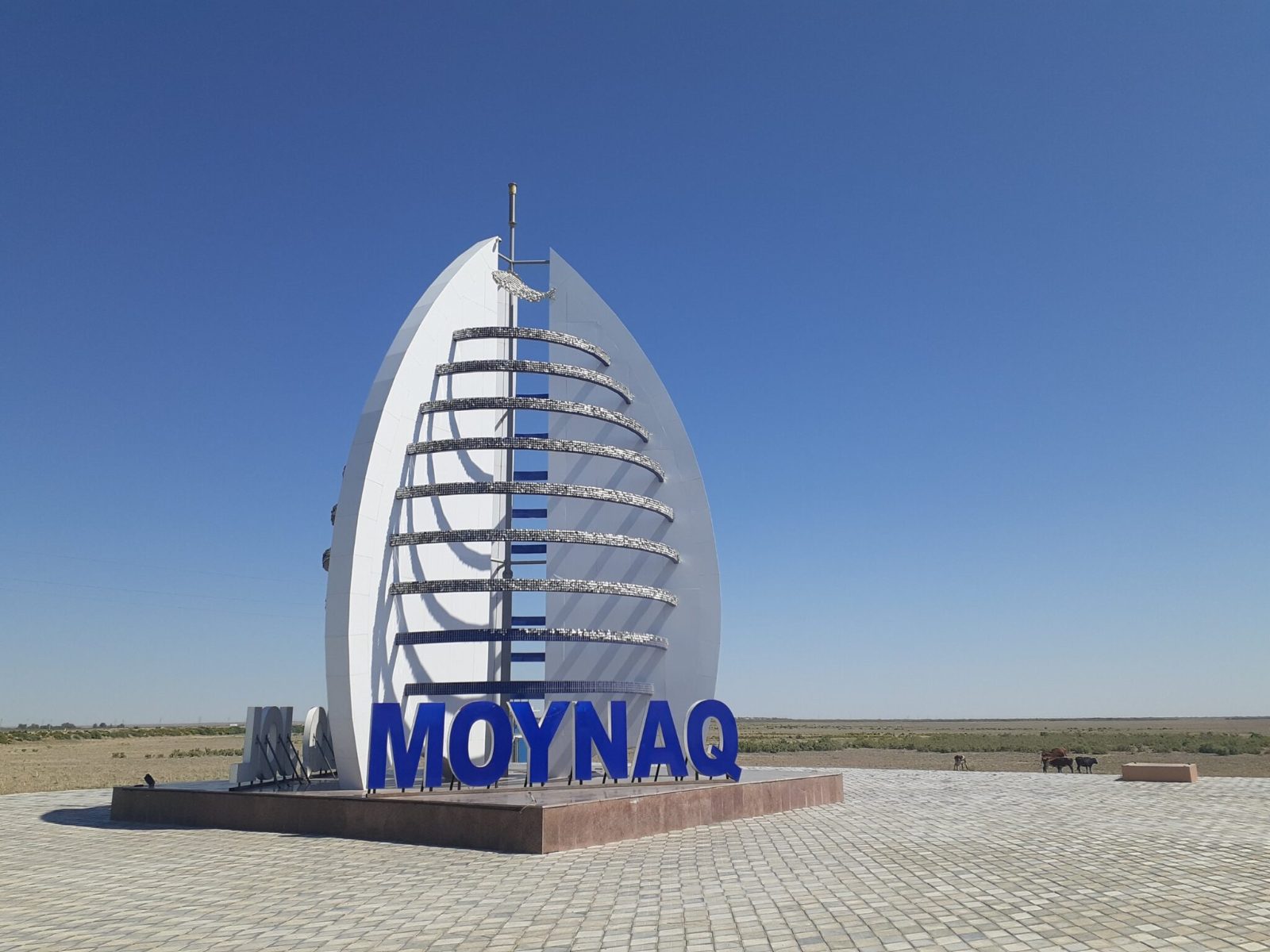
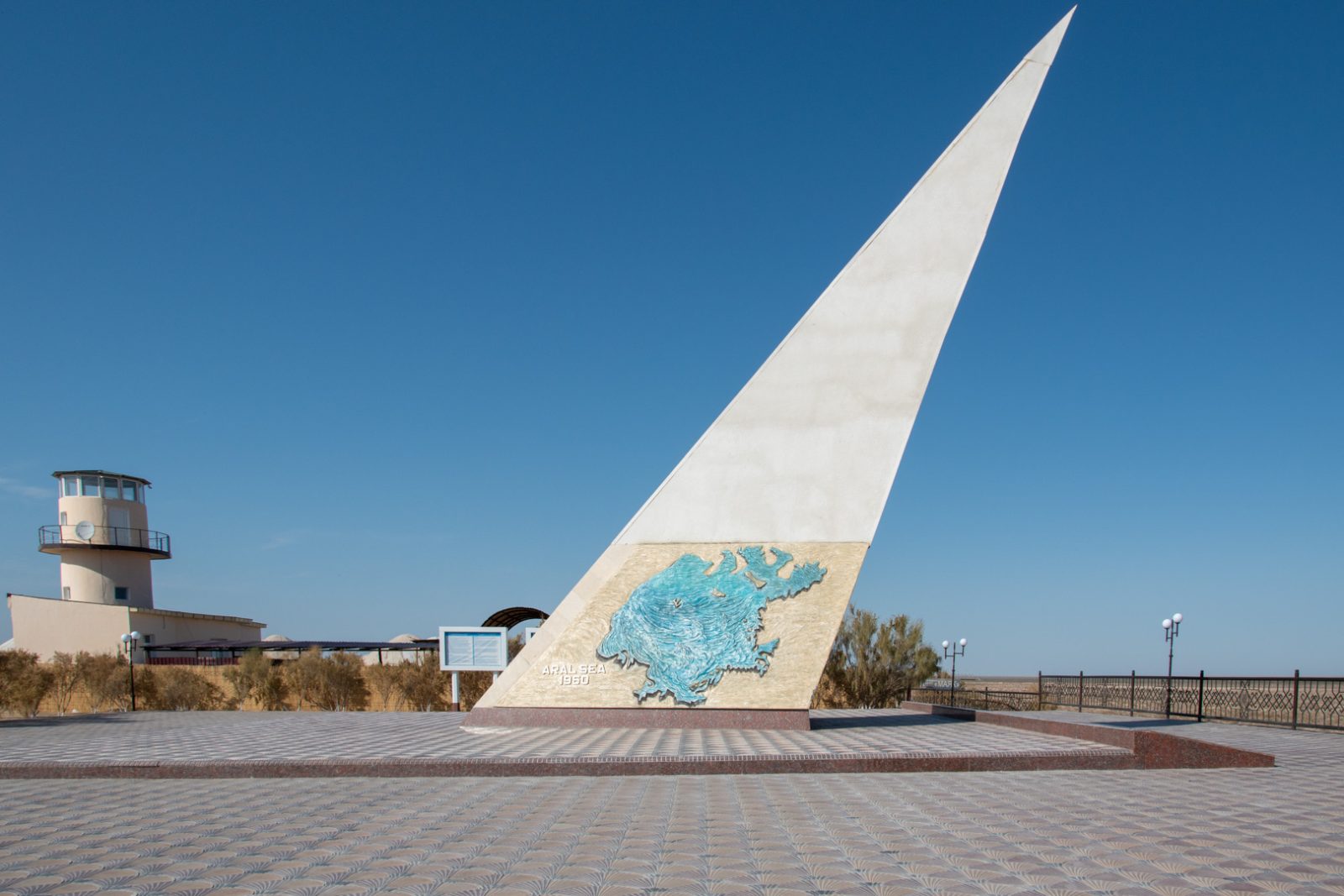
A tribute to the lost fishing heritage of Muynak.
You depart Khiva before sunrise, the road west flattening into the Kyzylkum's gravel expanse as first light strikes the Amu Darya's remnant channel.
At Nukus, three hours in, you detour to the Savitsky Museum, where avant-garde canvases fill Soviet-era halls—fifteen minutes for the collection's highlights before the road turns north toward Muynak. The final 200 kilometres narrow to a two-lane track, passing abandoned canneries and salt-whitened irrigation ditches.
You reach the ship graveyard by midmorning, the trawlers emerging as rust-orange silhouettes against pale sand. The largest vessel, a thirty-metre seiner, lists to port, its hull plates peeling in concentric arcs. You walk the deck, winch cables still threaded, and climb to the wheelhouse where gauge faces have bleached to illegibility. The museum, a low concrete structure at the graveyard's edge, opens at nine; you pay the 30,000 UZS conservation fee and study the harbour's 1960 waterline photographs, the fishing fleet crowding a quay now six metres below the desert surface. By noon, heat radiates from the seabed, and you return to the vehicle for the six-hour drive back across the Kyzylkum, the ship graveyard receding into haze behind you.
All the details about your upcoming adventure in one place
The Aral Sea once ranked as the world's fourth-largest lake, covering 68,000 square kilometres between Kazakhstan and Uzbekistan until Soviet irrigation projects diverted the Amu Darya and Syr Darya rivers in the 1960s.
By 2014, the southeastern basin had evaporated entirely, leaving a salt-crusted seabed stretching 150 kilometres from the former shoreline at Muynak. The town's fishing fleet—rusting trawlers that once hauled 40,000 tonnes of bream, carp, and sturgeon annually—now sits 200 kilometres from the nearest water, a monument to one of the century's most comprehensive ecological collapses.
Muynak's ship graveyard anchors every Khiva to Aral Sea day trip, a skeletal armada of twenty-seven vessels scattered across wind-scoured sand. The ships, abandoned between 1982 and 1987 as the harbour dried, retain their Soviet registry numbers and winch assemblies, oxidised into terracotta and bronze by salt spray and desert heat. A regional museum in Muynak, charging a 30,000 UZS conservation fee, houses sepia photographs of the harbour at its 1960 peak, fishing nets knotted from horsehair, and sediment cores documenting salinity levels that climbed from 10 grams per litre to 110 as the sea contracted. The collection contextualises the environmental mechanics: cotton monoculture upstream consumed 90 per cent of the river flow, leaving the Aral to shrink by 90 per cent in volume and fragment into three remnant pools.
The crossing from Khiva to Muynak traverses 450 kilometres of the Kyzylkum Desert, a six-hour drive through Karakalpakstan's gravel plains and saxaul thickets. Nukus, the regional capital at the route's midpoint, holds the Savitsky Museum's collection of 80,000 Russian avant-garde works—Ufimtsev canvases, Komarovskiy constructivist prints—assembled covertly during the Stalin era. Most expeditions pair the museum with the ship graveyard, threading art history and ecological disaster into a single transect. The desert itself, once the Aralo-Caspian Depression's seabed millions of years prior, has reclaimed the lakebed with salt-tolerant halophytes and tamarisk scrub, a vegetation echo of the sea's deep past now mirroring its desiccated present.
By 2014, the southeastern basin had evaporated entirely, leaving a salt-crusted seabed stretching 150 kilometres from the former shoreline.
Wear light, breathable clothing to manage the arid environment during your khiva to aral sea day trip. Modest attire is respectful when visiting regional Karakalpakstan settlements.
Small daypacks are recommended for your khiva to aral sea day trip. There are no lockers or security checkpoints at the outdoor ship graveyard.
The Muynak Ship Graveyard offers iconic desert imagery. Optimal light for this khiva to aral sea day trip tour occurs during the morning window.
The area is vast and hot, requiring careful supervision for children. Bring ample hydration for any family taking a khiva to aral sea day trip.
The terrain at the Aral Sea ship graveyard is uneven, sandy, and difficult for wheelchairs. Most paths during a khiva to aral sea day trip are natural desert surfaces.
Carry sufficient water and snacks, as there are limited facilities near the Muynak site. Consuming local supplies supports the community during your khiva to aral sea day trip.
Opening Hours
09:00–18:00
Address
Muynak Ship Graveyard, Muynak, Karakalpakstan, Uzbekistan
Accessibility
Unpaved desert terrain with limited infrastructure
Best Arrival
09:00–11:00
Storage
None available on-site
Navigation
4x4 vehicle recommended for regional access
Car · 6-8 hours · High cost
Private 4x4 vehicles are the standard for a khiva to aral sea day trip.
Full refunds are provided for cancellations made at least 48 hours before the khiva to aral sea day trip departure. The 30,000 UZS conservation fee is non-refundable once the museum entry has been processed.
Recommended time
3-4 hours at the site
A successful khiva to aral sea day trip requires a 14-16 hour commitment due to the vast distance across the Ustyurt Plateau. Arriving within the 09:00–11:00 window is essential to avoid extreme midday desert heat and ensure the best light for the ship graveyard. While khiva to aral sea day trip tours often follow similar schedules, the remote nature of the region means visitor volume remains low throughout the day, allowing for a quiet experience regardless of arrival time. You can secure khiva to aral sea day trip tickets as part of a comprehensive regional transit package.
Crowd levels through the day
Weather · crowds · average price — dots go green to amber to red as each metric rises.
March to May offer mild temperatures and desert blooms.
June to August features intense heat requiring early starts.
September to October provides cool, stable weather for visits.
November to February experiences freezing desert winds.
Drink water before you feel thirsty to combat desert dehydration.
Closed-toe shoes protect against sharp desert debris.
Use the 09:00–11:00 window to capture the rust textures.
Learning basic Karakalpak phrases helps with local interactions.
Trust local drivers over GPS in remote desert tracks.
The Aral Sea once ranked as the world's fourth-largest lake, fed by the Amu Darya and Syr Darya rivers flowing from the mountains of Central Asia. For millennia it sustained fishing communities along its shores, including the port town of Muynak, which by the mid-twentieth century processed tens of thousands of tons of fish annually. Soviet planners in the 1960s diverted both rivers to irrigate cotton and rice across the deserts of Uzbekistan and Kazakhstan, transforming the region into a mono-crop economy. The diversion canals—among them the Karakum Canal, the world's longest irrigation channel—rerouted water that had sustained the sea for centuries, and within two decades the shoreline began its catastrophic retreat. By 1987 the Aral Sea had split into northern and southern basins, and Muynak's harbor sat fifty kilometers from open water. The fishing fleet, once home to hundreds of trawlers, was abandoned where it stood as the docks became desert. The exposed seabed released salt and pesticide residues into the air, creating dust storms that carried toxic particles across the surrounding oblasts. Village populations declined as respiratory illness rates climbed and freshwater wells turned saline. The Soviet Union dissolved in 1991, leaving no coordinated response to the environmental collapse it had engineered. Today the South Aral Sea, visible from the khiva to aral sea day trip, has lost more than ninety percent of its original volume. The rusted hulls at Muynak—now a ship graveyard accessible without charge—mark the point where the water last lapped at the town's edge in the early 1980s. Satellite imagery confirms that the southern basin dries further each summer, with only shallow brine pools persisting in the deepest troughs. A khiva to aral sea tour reveals both the physical remnants of the Soviet irrigation experiment and the ongoing attempts by Karakalpakstan's regional authorities to stabilize what remains through reforestation and wetland restoration around the shrinking delta.
Stand directly between the hulls of the largest fishing vessels to capture the scale of the oxidized steel against the desert floor. This perspective emphasizes the textural contrast of corroded metal and sand during your khiva to aral sea day trip.
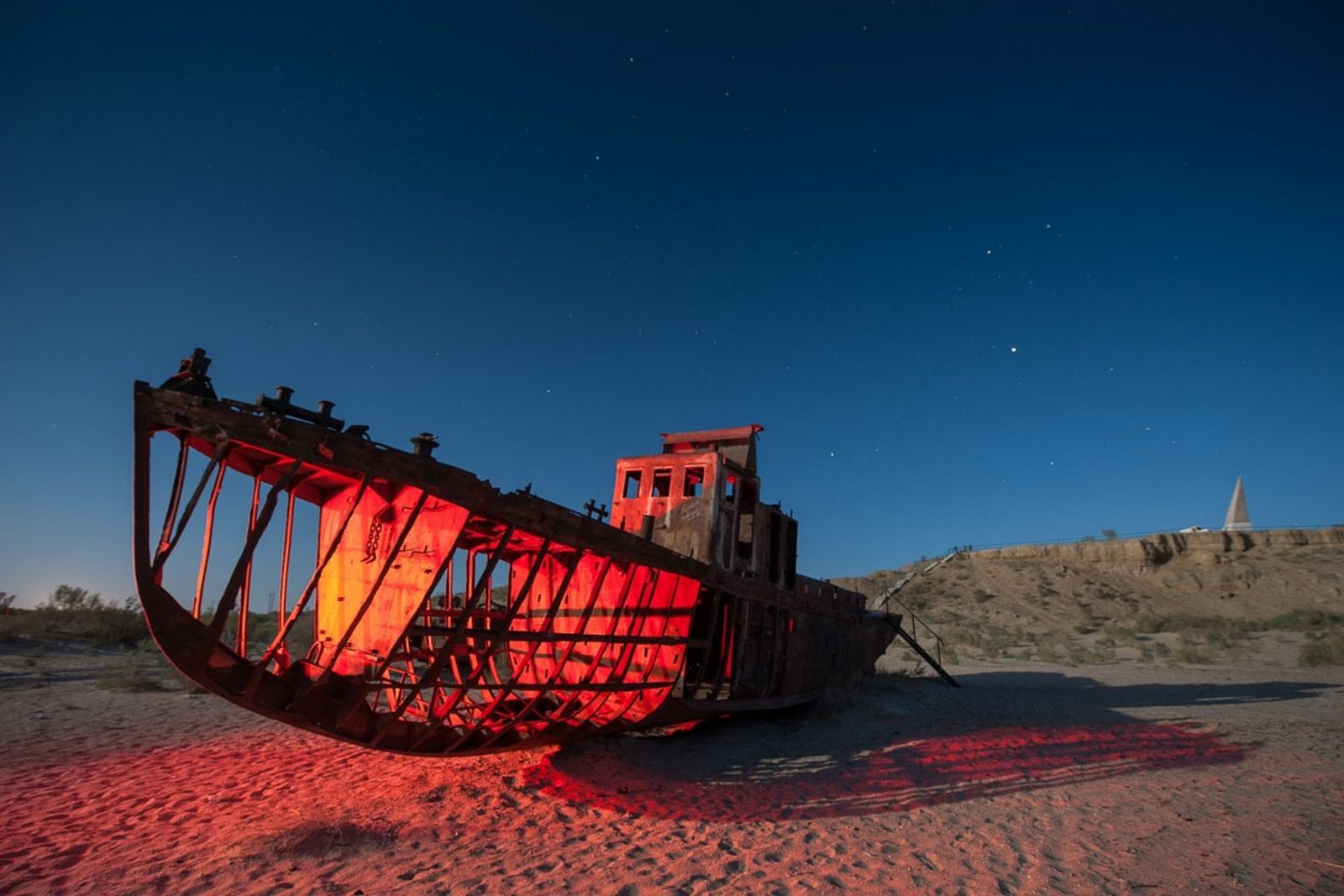
Position yourself on the elevated edge of the former shoreline where the old lighthouse once stood to frame the entire graveyard in a wide shot. This vantage point provides a clear view of the relic fleet against the vast dry bed of the Aral Sea.
Approach the stern of the most isolated ship to frame its dark outline against the morning sky, using the low sun angle to highlight the jagged edges of the wreckage. Photographers often use this spot for khiva to aral sea day trip tours to capture dramatic shadows.
Frame the industrial textures of the local museum facade which serves as an interesting contrast to the natural erosion found at the nearby ship graveyard. This location is easily accessible for those on a khiva to aral sea day trip tour.
A khiva to aral sea day trip offers a unique opportunity to teach children about environmental history while exploring the vast landscapes of Karakalpakstan. Given the significant travel time and remote terrain, careful planning helps ensure a manageable and educational experience for families.
The desert terrain around the ship graveyard is uneven and sandy, making strollers impractical for navigating the site. A soft-structured carrier is recommended for younger children to explore comfortably
This trip is best suited for school-aged children who can handle a long day of driving and appreciate the historical context of the site. The open space allows younger children to roam freely, but close supervision is necessary near the decaying structures
There are no specialized baby-change facilities at the graveyard, so come prepared with your own supplies for the journey. Plan your khiva to aral sea day trip tour to include frequent stops, as public restrooms in remote regions may be basic
The best arrival window is 09:00–11:00 to avoid the midday desert heat and ensure optimal lighting for photography. Expect a full-day commitment, as much of your time will be spent on the road traveling to and from this remote landmark
Pack plenty of water and snacks for the drive, as dining options in Muynak are limited. While khiva to aral sea day trip tickets do not include meals, your driver can often assist in finding a local restaurant for lunch.
Dining options in Muynak are extremely limited, so travelers embarking on a khiva to aral sea day trip should carry sufficient provisions for the journey. While some basic local cafes exist near the ship graveyard, self-sufficiency is recommended for this remote desert expedition.
Located within the museum building, this spot offers simple tea and light snacks; it serves as a convenient stop after exploring the exhibition.
A modest establishment serving traditional Karakalpak dishes like beshbarmak; it is one of the few places in town for a hot meal before departing on khiva to aral sea day trip tours.
Many local guest houses provide pre-arranged lunches for those booking a khiva to aral sea day trip tour; confirm availability in advance as walk-ins are rarely accommodated.
Local vendors occasionally sell bottled water and dry snacks near the entrance of the ship graveyard, but rely on these only for khiva to aral sea day trip tickets and supplementary supplies.
Everything you need to know for your journey
The site is open daily from 09:00–18:00.
The conservation fee for the regional museum is 30,000 UZS.
The best arrival window is 09:00–11:00 to avoid midday heat.
Yes, the ship graveyard itself is free to visit.
Bookings for a khiva to aral sea day trip are handled by local operators.
The terrain is sandy and uneven, making accessibility challenging.
Bring sunscreen, hats, and at least 3 liters of water per person.
Access is typically via 4x4 vehicles from Khiva or Nukus.
Yes, but ensure they are prepared for long desert travel.
Refunds for a khiva to aral sea day trip are subject to the specific operator policy, typically 48 hours notice.
Houses exhibits on the maritime history of Muynak.
Small family-run lodging options.
Join thousands of happy travelers who have discovered this incredible experience
Book Your Experience Now